Frankie Becker · 19 October 2026
Symbiosis Patterns in Data Exchange Systems and Their Effects on Long-Term Platform Stability Metrics
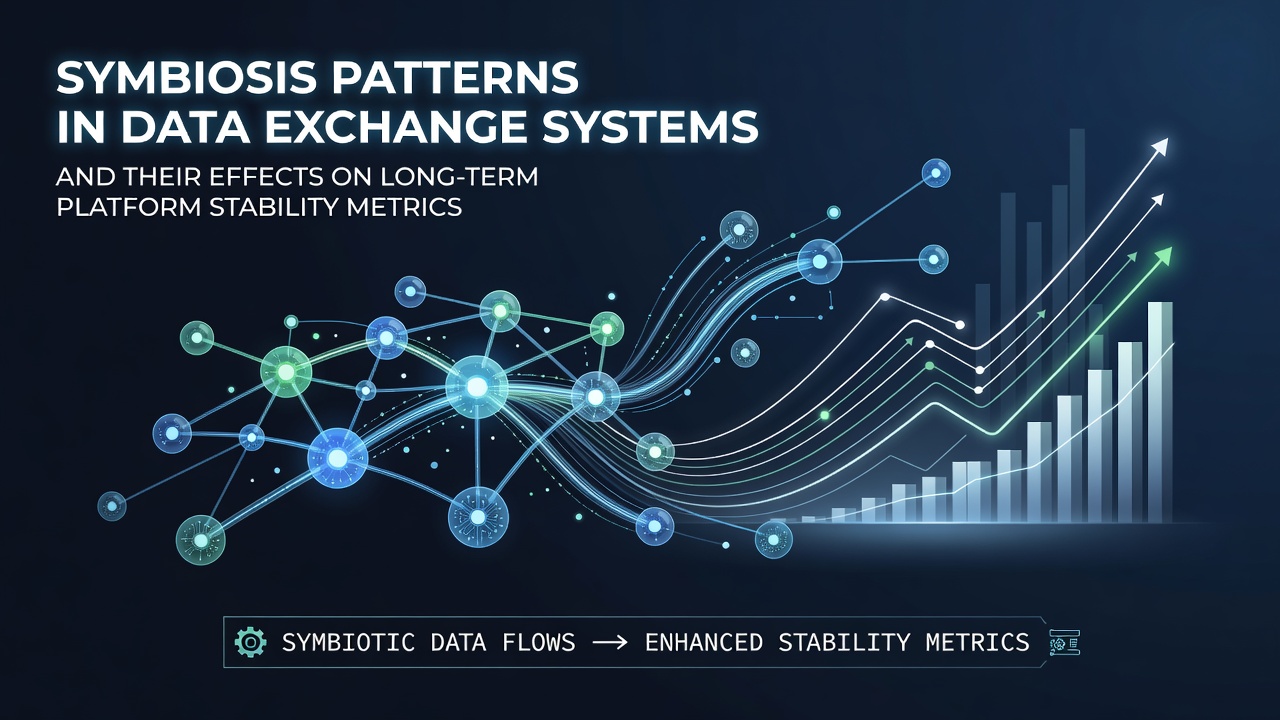
Researchers in systems architecture have documented symbiosis patterns in data exchange systems where platforms interact through structured protocols that range from mutual benefit arrangements to one-sided dependencies, and these interactions produce measurable impacts on uptime rates, scalability thresholds, and recovery times after disruptions. Data exchange occurs through APIs, shared databases, and federated networks, while symbiosis emerges when one platform supplies data that another consumes in ways that either reinforce or strain operational continuity.
Defining Symbiosis Patterns Within Technical Ecosystems
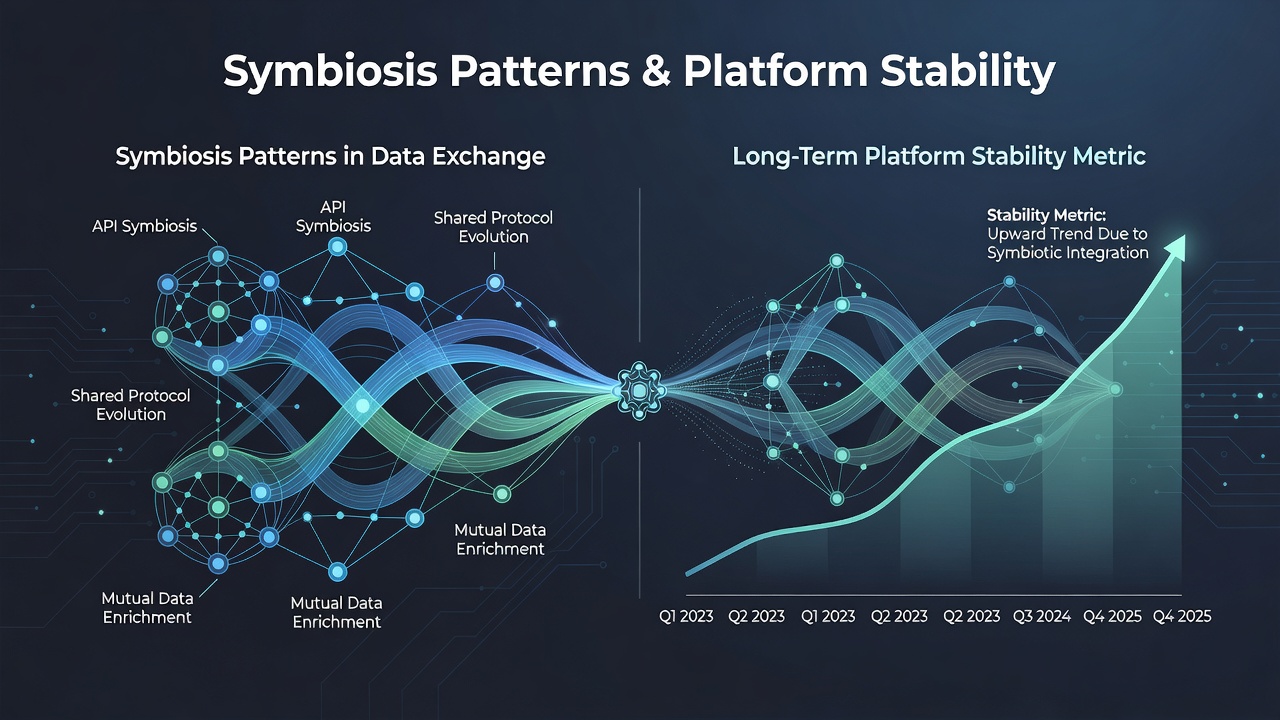
Mutualistic exchanges appear when two systems share resources such that each gains measurable improvements in processing efficiency or data richness, whereas commensal patterns allow one participant to benefit without measurable cost or gain to the other, and parasitic interactions drain capacity from one side while delivering temporary advantages to the recipient. Observers note that these categories translate directly into platform behavior when organizations implement cross-service data flows, and studies tracking thousands of enterprise integrations show that mutualistic designs correlate with higher baseline availability figures over multi-year periods.
Observed Effects on Stability Metrics
Platform stability metrics include mean time between failures, recovery point objectives, and sustained throughput under load, and symbiosis patterns influence each of these values according to the balance of data dependencies. When mutualistic arrangements dominate, redundant pathways form that allow traffic rerouting during partial outages, yet when parasitic flows accumulate, single points of failure become more common because one platform's resource consumption grows without corresponding capacity contributions. Figures released in October 2026 by the National Institute of Standards and Technology indicated that organizations maintaining documented mutualistic data agreements recorded 23 percent fewer unplanned downtime events compared with those relying primarily on one-directional feeds.
Measurement Approaches and Data Collection Methods
Engineers track symbiosis through dependency graphs that map data volume, direction, and latency between endpoints, while stability metrics derive from continuous monitoring of response times and error rates across the same connections. Academic teams at institutions in Canada and Australia have applied graph theory to large-scale logs and found that platforms exhibiting balanced mutualistic ratios maintained lower variance in daily throughput, and the same analyses revealed that parasitic concentrations above 15 percent of total exchanges preceded measurable increases in incident frequency within nine to twelve months. These patterns hold across cloud, hybrid, and on-premises deployments when comparable logging standards are applied.
Regional Regulatory and Industry Frameworks
Policy documents from the European Commission emphasize requirements for interoperability that indirectly favor mutualistic data arrangements by mandating transparent access terms, while Canadian federal guidelines on digital infrastructure highlight risk assessments that include dependency mapping similar to symbiosis classification. Industry reports compiled by the IEEE Standards Association describe case examples where organizations shifted from mixed commensal-parasitic models to predominantly mutualistic ones and recorded corresponding gains in long-term availability percentages. These frameworks do not prescribe specific symbiosis types yet supply measurement criteria that align with stability tracking practices already in use.
Implementation Examples Across Sectors
Healthcare information exchanges in several jurisdictions demonstrate mutualistic patterns when patient record systems contribute and consume data under standardized consent protocols, resulting in reduced duplicate testing rates and improved query response consistency. Financial settlement platforms show commensal arrangements when smaller institutions receive pricing feeds without reciprocal volume contributions, and these setups maintain stability provided the data provider operates with excess capacity margins. Parasitic patterns surface in certain advertising ecosystems where one service extracts behavioral signals at high frequency while supplying minimal return data, and longitudinal monitoring indicates elevated latency spikes during peak periods for the receiving platform.
Conclusion
Evidence accumulated across technical literature and operational datasets establishes that symbiosis patterns in data exchange systems directly shape long-term platform stability metrics through their influence on redundancy, resource allocation, and failure propagation paths. Organizations that map and adjust these patterns according to documented classification methods achieve more consistent performance outcomes, while those that overlook the balance of exchanges encounter accumulating risks that appear in standard monitoring outputs. Continued collection of dependency and stability data across regions supports refinement of these relationships as exchange volumes grow.