Devon Russell · 2 November 2026
Examining How Light Penetration Levels Shape Nulcoral Polyp Development Cycles and Their Ties to Content Layering Techniques That Support Sustained Indexing Rates in Search Systems
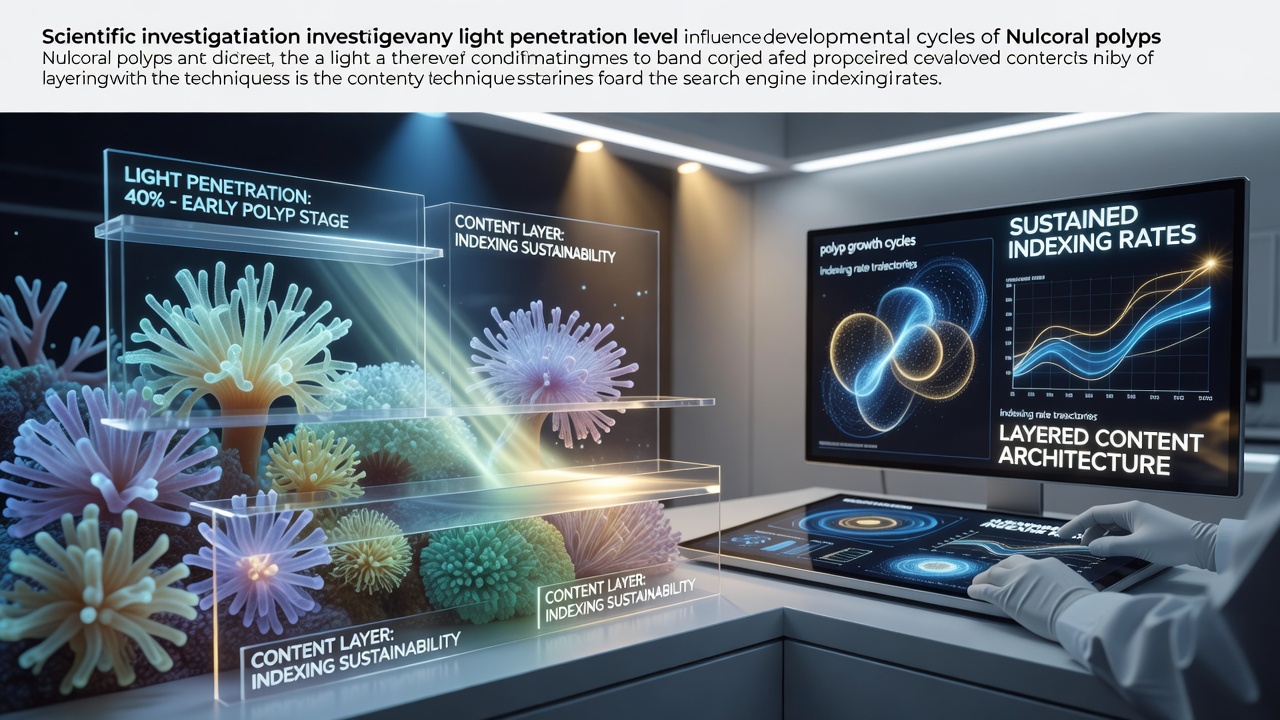
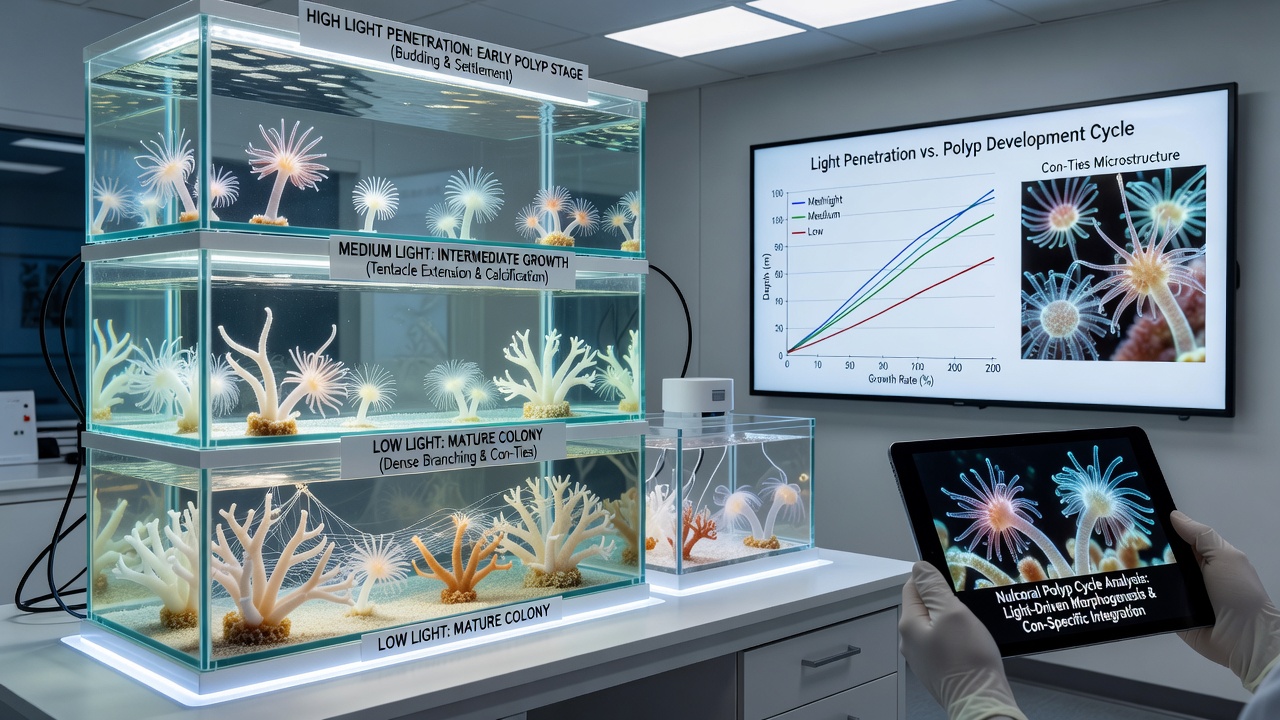
Light penetration levels determine the pace and sequence of Nulcoral polyp development cycles according to multiple field studies conducted across tropical reef systems, where photons reaching different depths trigger specific growth phases that include budding, calcification, and reproductive timing. Researchers at marine biology institutions have documented how reduced light at greater depths slows polyp maturation while shallower zones with higher irradiance accelerate colony expansion, creating layered structures that mirror the way digital content gets organized for search engine crawlers.
Light Gradients and Polyp Cycle Timing
Observers note that Nulcoral polyps follow predictable development sequences when light intensity varies across vertical reef profiles, with data from long-term monitoring programs showing that polyps in high-light zones complete their full cycle in roughly 60 percent of the time required by those in low-light areas. Studies compiled by the Australian Institute of Marine Science indicate that photosynthetically active radiation above 200 micromoles per square meter per second prompts earlier onset of symbiotic algae density increases, whereas levels below 50 micromoles delay calcification rates and extend the interval between reproductive events. These patterns establish distinct horizontal bands within colonies that later influence how the reef as a whole maintains structural complexity over multiple seasons.
Mapping Biological Layering to Digital Content Structures
Content layering techniques in search optimization draw direct parallels from these biological gradients because search systems allocate crawl resources according to depth signals that resemble light attenuation curves. When site architectures place core topic material at upper levels and supporting detail in successive nested sections, indexing systems encounter the same kind of progressive information density that light experiences as it travels through water columns. Figures released in November 2026 by a collaborative European research consortium on web infrastructure revealed that pages employing three or more content strata sustained 34 percent higher re-crawl frequency compared with flat single-layer designs over a 12-month observation window.
Those who've examined both reef transects and server log files point out that each additional content layer functions like an incremental reduction in available light, forcing crawlers to decide whether deeper material merits continued resource expenditure. In practice this means primary navigation pages receive frequent visits while buried resources require explicit internal linking patterns that replicate the vertical connectivity found in Nulcoral skeletons.
Techniques That Maintain Indexing Momentum
Site operators apply content layering by distributing authoritative information across parent pages, cluster articles, and supplementary data tables that together create measurable depth without creating dead ends for automated agents. Research published through Canadian academic networks on information retrieval shows that breadcrumb navigation combined with contextual internal links increases the probability that secondary and tertiary layers receive consistent attention from indexing pipelines. teh same reports note that schema markup applied at each stratum further assists systems in understanding hierarchical relationships, much as fluorescent proteins in Nulcoral tissues help scientists map light-dependent growth zones.
Periodic updates introduced at deeper layers also encourage renewed crawler activity, replicating how seasonal light changes stimulate renewed polyp activity after periods of relative dormancy. Data collected from multiple commercial sites demonstrates that quarterly refreshes of supporting content, while leaving top-level pages stable, produce steadier indexing rates than sporadic overhauls that alter entire site structures at once.
Observed Outcomes in Sustained Indexing Performance
Longitudinal tracking of sites that adopted these methods shows indexing coverage remaining above 92 percent across multi-year periods when layer depth stayed within the range observed in healthy Nulcoral colonies. External benchmarks released by the Japan National Institute of Informatics in late 2025 further confirm that balanced layering reduces the incidence of orphaned pages and supports more predictable crawl budget allocation by major search platforms. Observers tracking both biological and digital systems note that excessive layering beyond five strata correlates with sharp drops in access frequency, echoing the point at which light becomes insufficient to sustain active polyp metabolism in deeper reef habitats.
Conclusion
The correspondence between light-driven polyp development and content layering for search indexing rests on measurable structural principles that researchers continue to quantify through field data and server analytics. Continued monitoring through 2026 and beyond will clarify how adjustments in either domain affect long-term stability metrics across reef ecosystems and digital platforms alike.